Category Articles

Emitters in Drip Irrigation System

It is a device for reducing the line water pressure to atmospheric pressure providing water at a low controlled discharge (2 to 4 lit/hr). They are Classified According to Various Criteria 1. Emitter principle (Principle of operation): Office, long path,…
Pests & Other Problems

They are as big as a man; they’re invisible. Some have fur, others feathers, maybe armored scales.  They creep, crawl, hop, jump, scamper, slither, fly – you name it.  And they’re generally things you don’t want around – that’s why…

Water-saving tips for the home garden

Almost a third of Marin County’s water is used for irrigation. The majority of Marin residents use around 8,000 gallons or less of water per month. Although this sounds like a massive quantity of water, consider this: 10 sprinkler heads…

Trees with interesting bark shine in winter

Winter brings out the structural elements of the landscape. Trees and shrubs with colorful or textured bark can be real eye-catchers when they’re not competing with flashy flowers or fancy foliage. Some deciduous specimens look especially beautiful when their branches…

Rx for powdery mildew

Seeing spots? If you’ve got white spots on your plants, there’s a good chance that it’s powdery mildew, a common, unsightly garden fungus that affects a wide variety of ornamentals and edibles. There is a common misconception that powdery mildew…

How to protect plants from frost

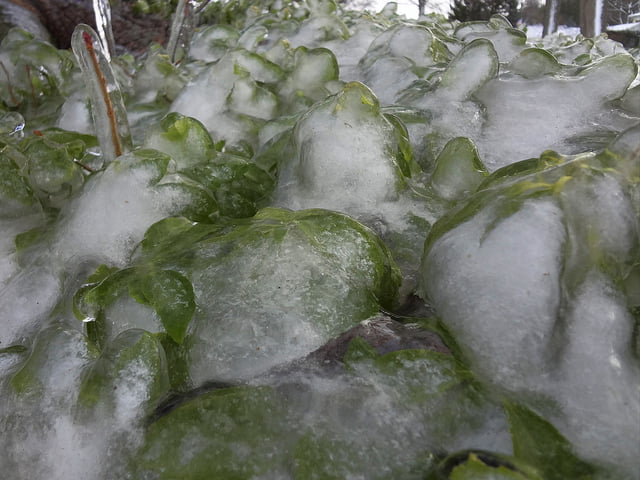
When the weather report calls for freezing temperatures overnight, you don’t want to be rushing outside in the dark to cover your cold-sensitive plants. Here are some tips for being prepared. Why worry? Frost injures plants by causing ice crystals…

Definition and Concept of Micro Irrigation

  Definition of Micro Irrigation: It can be defined as the application of water at low volume and frequent interval under low pressure to plant root zone. Concept of Micro Irrigation: Besides the land, water also an important factor in…

Environmental impact of pesticides

The environmental impact of pesticides is often greater than what is intended by those who use them. Over 98% of sprayed insecticides and 95% of herbicides reach a destination other than their target species, including nontarget species, air, water, bottom sediments, and…