15 Foods You Should Never Eat. Ever.

Hard-and-fast food rules royally suck. But some foods can seriously mess with your health. “It doesn’t mean you’ll get sick, get cancer, or die if you eat a dangerous food once,” says Nneka Leiba, deputy director of research at the…

When Pullets Start to Lay Eggs

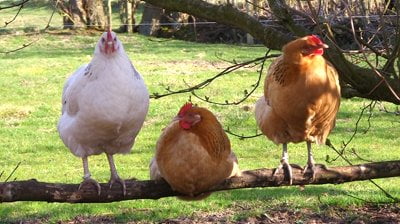
Summer has arrived and your spring chicks will be approaching puberty. Assuming they’ve enjoyed good food and care, the young hens, called pullets, begin laying sometime between their 16th and 24th week of age. You can anticipate the arrival of…

Care Tips for Healthy Hens

Raising layer hens is an investment in fresh, wholesome eggs. Your hens will perform best if they have room to live and roam, nutritious feed, fresh water, and a safe, comfortable coop to nest and roost. Your coop should have…

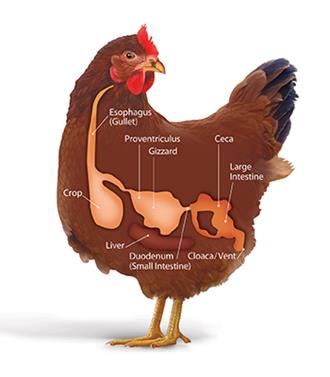
A quick tour of the digestive system

Mouth: It all starts here. Esophagus (Gullet): Transports food from the mouth to the stomach. Crop: A pouch in the esophagus used to store food temporarily before moving it on to the stomach. Stomach (Proventriculus/Gizzard):Principally the organ where food is…

How Much Feed Does a Chicken Eat?

A common question among poultry owners, especially those new to raising birds, is “How much do my birds eat, so I know how much feed to buy?”. Below are some general guidelines to go by, keeping in mind that a…

Power sector receivables swell to Rs663bn

Despite hectic efforts and claims by the Ministry of Water and Power, the power sector receivables have increased by a whopping Rs30 billion in the first two months of this fiscal year. According to the data compiled by Pakistan Electric…

Why conventional agriculture should be banned?

Conventional farming, also known as industrial agriculture, is defined as methods of farming in which include the use of synthetic chemical fertilizers, pesticides and herbicides and genetically modified organisms. When chemicals were first introduced in farming, everyone wonder at what they could do.…

Controlling Worms to Improve Milk Yield

The stomach worm (Ostertagia ostertagi) is the most commonly identified worm in dairy cows. However, although over 90 per cent of animals can be infected, they rarely show overt clinical signs. This means that despite the reduction in appetite, fertility…